


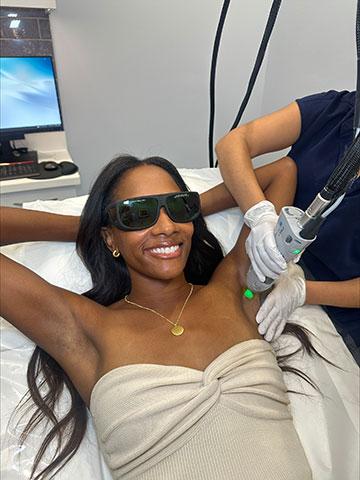
In the quest for smooth, hair-free skin, laser hair removal has emerged as a revolutionary option, promising long-lasting results with minimal fuss. As more individuals seek the convenience and effectiveness of this procedure, the practice has steadily transitioned from exclusive medical spas to more accessible, non-clinical environments. However, this ease of access presents a critical consideration: the risks of undergoing laser hair removal without the supervision of a qualified physician. This informative exploration aims to equip you with essential knowledge and inspire informed decisions, ensuring your journey towards hair-free skin is not only effective but also safe. Whether you are a seasoned beauty enthusiast or new to the world of laser treatments, understanding the potential pitfalls and safeguarding your health remains paramount. Join us as we navigate the promising landscape of laser hair removal, examining the importance of professional oversight and arming you with insights to confidently embrace this transformative technology.
Table of Contents
- Understanding the Basics: What You Need to Know Before Starting Laser Hair Removal
- Spotting the Risks: Potential Dangers Without Medical Supervision
- Choosing the Right Equipment: A Guide to Safely Performing Laser Hair Removal at Home
- Aftercare Essentials: Ensuring Optimal Skin Health Post-Treatment
- When to Seek Professional Help: Recognizing Signs That You Need a Physician
- Q&A
- In Retrospect
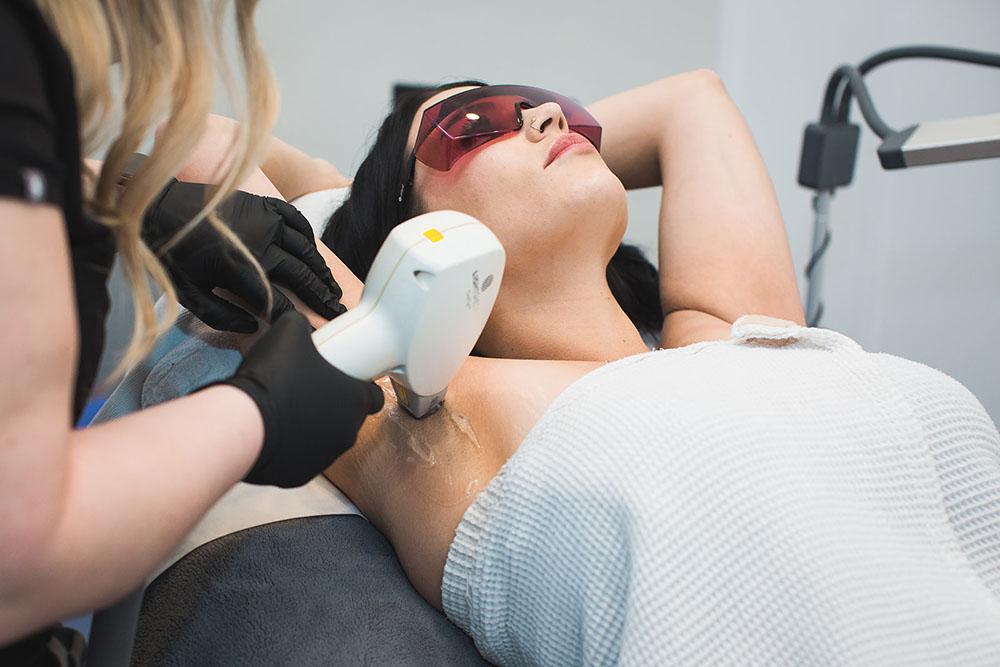
Understanding the Basics: What You Need to Know Before Starting Laser Hair Removal
Laser hair removal might seem like a modern miracle, but it’s crucial to grasp the fundamentals before diving in. Understanding your skin type is one of the primary steps. Laser technology is designed to target the pigment in the hair follicles, making it more effective on certain skin tones and hair colors. For instance, it’s particularly proficient at treating dark hair on light skin. If your skin tone or hair color varies, different laser types might be necessary to achieve optimal results.
Apart from skin types, recognize the significance of the treatment area. Sensitive zones such as the face or bikini area have different requirements compared to larger, less sensitive areas like legs or arms. This differentiation can influence the type of laser used, the number of sessions needed, and the overall expense. Ensuring the laser type aligns with the specific area can avoid unnecessary discomfort and maximize efficacy.
Potential side effects should also be on your radar. While generally safe, laser hair removal can lead to reactions like skin irritation, redness, and slight swelling, especially if conducted by someone inexperienced. In rare cases, individuals might experience blisters, scarring, or changes in skin color. These risks underscore the importance of ensuring that the person wielding the laser is skilled and knowledgeable.
preparation and aftercare are key components of the process:
- Avoid sun exposure: Tanned skin increases the risk of side effects.
- Shave before treatment: This helps the laser target hair follicles more effectively.
- Refrain from waxing/plucking: These methods remove the hair root, which is necessary for laser treatment.
- Moisturize: Keep your skin hydrated to aid in the healing process.
Remember, a well-prepared and informed approach can transform your laser hair removal journey from daunting to smooth and empowering.

Spotting the Risks: Potential Dangers Without Medical Supervision
Undergoing laser hair removal without proper medical supervision can expose you to several risks, some of which may be quite severe. One prominent concern is the potential for skin burns. These burns occur when incorrect laser settings are used, often by untrained personnel. Such damage not only causes immediate pain and discomfort but can lead to long-term scarring and pigmentation issues.
Skin irritation and infection are other significant risks. Without a physician’s scrutiny, hygiene protocols might be overlooked, elevating the chances of bacteria entering your pores post-treatment. This can result in infections that might require extended medical treatment, including antibiotics, which in turn have their own side effects.
Another danger is the misdiagnosis of skin conditions. A qualified medical professional can identify and consider underlying skin issues before proceeding with laser treatments. Without this expertise, pre-existing conditions such as rosacea, eczema, or even skin cancer might become exacerbated, leading to severe health repercussions.
Lastly, the long-term effectiveness of the treatment might be compromised. When treatments are not administered correctly, the laser may not fully target the hair follicle, leading to inconsistent results and the need for more frequent touch-ups. Additionally, some potential side effects include:
- Hyperpigmentation or hypopigmentation
- Eye injury if protective eyewear is neglected
- Paradoxical hair growth in untreated areas
| Risk | Potential Consequence |
|---|---|
| Skin Burns | Scarring, Long-term pigmentation issues |
| Infection | Bacterial and fungal infections |
| Poorly Treated Skin Conditions | Exacerbation of rosacea, eczema, skin cancer |
Choosing the Right Equipment: A Guide to Safely Performing Laser Hair Removal at Home
When opting for laser hair removal in the comfort of your home, it’s imperative to select the appropriate equipment to ensure both efficacy and safety. With an array of devices available on the market, the process of choosing the right one can be daunting. It’s vital to assess your skin tone and hair color as modern home devices are often designed to cater to specific combinations. Devices equipped with *Intense Pulsed Light* (IPL) and *Diode Laser* technology are widely preferred for their proven effectiveness and safety.
Key Features to Consider:
- FDA Approval: Always prioritize devices that are approved by the FDA, which guarantees they meet safety and effectiveness standards.
- Skin Tone Sensors: Look for devices that include built-in skin sensors. These ensure that the treatment is suitable for your skin type.
- Power Settings: Flexible intensity settings are essential for adjusting the treatment according to different areas of the body and varying pain thresholds.
- Safety Goggles: Protecting your eyes is crucial, so select devices that include safety goggles designed for laser procedures.
To simplify your decision-making process further, here’s a compact table with some recommended devices:
| Device | Technology | Features |
|---|---|---|
| Tria Beauty Hair Removal Laser 4X | Diode Laser | FDA approved, skin sensor |
| Philips Lumea | IPL | Multiple intensity settings, cordless |
| Remington iLight Ultra | IPL | Fast treatment, skin tone sensor |
Besides equipment specifications, ensuring that you are familiar with proper usage guidelines is essential. Devices typically come with detailed user manuals, which should be carefully reviewed prior to the first use. Patch testing is a recommended practice to check for any adverse reactions. Always clean the device before and after each session to maintain hygiene and functionality. Allocating time for regular sessions while following recommended intervals will yield the best results, ensuring smooth and hairless skin without any professional intervention.

Aftercare Essentials: Ensuring Optimal Skin Health Post-Treatment
Maintaining optimal skin health following a laser hair removal treatment is crucial for achieving desired results and avoiding unwanted side effects. First and foremost, hydration remains one of the most vital elements. Drinking plenty of water and using a high-quality, fragrance-free moisturizer will aid in skin recovery. Avoid products with alcohol as they can dry out and irritate the treated areas.
<ul>

    <li><strong>Aloe Vera</strong> – Known for its soothing properties, applying aloe vera can alleviate discomfort.</li>

    <li><strong>Fragrance-free Products</strong> – Ensures no additional irritation occurs on sensitive skin.</li>

    <li><strong>Sun Protection</strong> – Use a broad-spectrum sunscreen with at least SPF 30 to protect the skin from UV damage.</li>

</ul>


Avoiding exposure to heat and sweating is another important factor. Steam rooms, saunas, and vigorous workouts can elevate skin temperature and exacerbate treated areas. Giving your skin ample time to heal by adhering to a gentle routine for at least the first 48 hours post-treatment can prevent complications such as infection or prolonged redness.


Furthermore, it's imperative to recognize that your skin is in a sensitive state following a laser hair removal session. Refrain from using harsh exfoliants or scrubs that can potentially damage your healing skin. Using mild, non-comedogenic cleansers can help maintain cleanliness without stripping essential oils or causing further irritation. Let's not forget to wear loose-fitting clothes to reduce friction against the treated area.


<table class="wp-block-table">

    <thead>

        <tr>

            <th>Aftercare Tips</th>

            <th>Benefits</th>

        </tr>

    </thead>

    <tbody>

        <tr>

            <td>Avoid Exfoliation</td>

            <td>Prevents irritation</td>

        </tr>

        <tr>

            <td>Stay Hydrated</td>

            <td>Enhances healing</td>

        </tr>

        <tr>

            <td>Use SPF 30+</td>

            <td>Protects from UV rays</td>

        </tr>

    </tbody>

</table>


In essence, listening to your skin and understanding its needs post-treatment will guide you towards impeccable results. Practicing patience and adopting a nurturing regimen are indispensable aspects of the journey. With the right aftercare strategies, you'll safeguard your newly treated skin, allowing it to recover naturally and beautifully.

When to Seek Professional Help: Recognizing Signs That You Need a Physician
Embarking on the journey of laser hair removal can be thrilling, yet it’s crucial to recognize when it’s time to enlist professional guidance. Paying attention to certain signs not only assures the effectiveness of the treatment but also safeguards your well-being. It’s important to understand that our skin and hair types vary, which can significantly impact the laser’s outcome.
If you experience any of the following, it’s wise to consult a physician:
- Persistent skin irritations
- Unexpected adverse reactions
- Any change in skin pigmentation
Engaging a physician becomes particularly necessary when you face underlying health conditions that might complicate the laser hair removal process. Certain medical conditions and medications can make your skin more prone to damage. For instance, individuals with a history of skin cancer or those on specific acne treatments might need tailored solutions. Your physician can help you navigate these complexities, ensuring a safe and customized approach.
| Condition | Recommendation |
|---|---|
| Photosensitivity | Consult before starting treatment |
| Recent Tan | Wait a few weeks before treatment |
| Pregnancy | Avoid laser hair removal |
Even if you don’t have preexisting conditions, unusual symptoms post-treatment should not be ignored. Inflammation, severe redness, blistering, or scarring indicate an adverse reaction that warrants professional evaluation. Your physician can determine whether these reactions are temporary or require medical intervention, helping you avoid potential long-term damage.
Ultimately, the goal is to achieve smooth, hair-free skin safely and effectively. Prioritize your health by recognizing when to draw on the expertise of a medical professional. Listen to your body and take proactive steps to seek help when needed.
Q&A
Navigating Laser Hair Removal: Risks Without a Physician
Q1: What is laser hair removal and why is it popular?
A1: Laser hair removal is a cosmetic procedure that uses concentrated light to target and destroy hair follicles, resulting in long-term hair reduction. It is popular because it offers a relatively painless and convenient alternative to traditional methods like shaving, waxing, and plucking, providing smoother skin for a more extended period.
Q2: What are the risks associated with laser hair removal done without a physician?
A2: Without the oversight of a physician, laser hair removal can lead to various risks, including skin burns, scarring, hyperpigmentation (darkening of the skin), hypopigmentation (lightening of the skin), and eye injuries. There is also an increased risk of infection if the procedure is not performed in a sterile environment.
Q3: How can the presence of a physician mitigate these risks?
A3: A physician ensures the proper calibration of laser equipment tailored to different skin types and hair colors, reducing the risk of skin damage. They can also recognize and manage any adverse reactions promptly, ensuring the procedure is done safely and effectively under professional medical standards.
Q4: Are there credentialed professionals other than physicians who can perform laser hair removal safely?
A4: Yes, licensed and trained professionals, such as dermatologists and certified laser technicians working under medical supervision, are qualified to perform laser hair removal safely. It is crucial to verify their credentials and ensure that they are operating in a safe and hygienic environment.
Q5: What should one consider before choosing a laser hair removal service without a physician?
A5: Before opting for laser hair removal without a physician, consider the facility’s reputation, the qualifications and experience of the technicians, customer reviews, and evidence of a clean, professional environment. It’s also essential to ensure the equipment is up-to-date and well-maintained.
Q6: Can home laser hair removal devices be a safe alternative to professional services?
A6: Home laser hair removal devices can be a convenient alternative, though they are generally less powerful and therefore less effective than professional equipment. They come with instructions to minimize risk, but improper use can still lead to skin damage. It’s crucial to follow all guidelines meticulously and conduct a patch test to check for adverse reactions.
Q7: What steps can individuals take to ensure safety when considering laser hair removal?
A7: To ensure safety, individuals should:
- Conduct thorough research on the procedure and potential providers.
- Opt for consultations to discuss skin type, medical history, and concerns.
- Choose licensed, experienced professionals with a physician on-site.
- Verify sterilization and hygiene practices in the facility.
- Follow pre- and post-procedure care instructions meticulously.
Q8: How can the public be better informed about the potential risks of laser hair removal without a physician?
A8: Public awareness can be heightened through informative campaigns, educational articles, and testimonials from medical professionals. Regulatory bodies can enforce and communicate guidelines that emphasize the importance of physician oversight. Social media and online reviews also play a crucial role in disseminating reliable information.
Q9: What inspirational message can you offer to those considering laser hair removal?
A9: Empower yourself with knowledge and make informed choices about your beauty and wellness routines. By prioritizing safety and seeking professional guidance, you can enjoy the benefits of laser hair removal while minimizing risks. Remember, investing in your well-being is the first step towards feeling confident and radiant in your own skin!
In Retrospect
As we navigate the landscape of laser hair removal, especially when it’s pursued without the direct oversight of a physician, knowledge becomes our most valuable asset. The pursuit of smooth, hair-free skin is now more accessible than ever, but it’s crucial to approach it with both awareness and caution. By understanding the inherent risks and taking proactive measures to minimize them, you can make informed decisions that prioritize your safety and well-being.
Remember, your journey to self-improvement and confidence doesn’t have to be compromised by unnecessary hazards. Embrace the wealth of information available to you, consult credible sources, and don’t hesitate to seek professional advice when in doubt. Empower yourself with the facts, listen to your body, and make choices that reflect both your aspirations and your health.
the true essence of beauty is found not just in appearance, but in the confidence and wisdom that come from making informed, thoughtful decisions. Your path to achieving the best version of yourself is as unique as you are, and with the right knowledge and care, it can be a journey marked by both safety and success.